
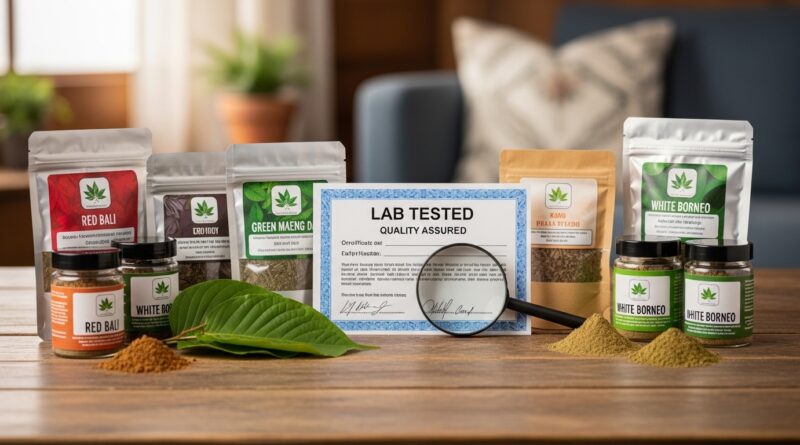
Kratom For Sale With Lab Tested Quality And Fair Prices
You know what scares people the most about buying kratom online?
It’s not the price. It’s not even the shipping time.
It’s the uncertainty.
You’re about to spend your hard-earned money on a botanical product, and if you choose the wrong vendor, you’re not just wasting cash. You’re risking your health.
I see this happen all the time. Someone finds kratom for sale at an unbelievably low price, thinks they’ve scored a deal, and ends up with contaminated powder that does absolutely nothing (or worse, makes them sick).
Here’s the truth: Not all kratom is created equal.
If that vendor doesn’t provide third-party lab testing, you’re gambling. And that’s a bet you shouldn’t take.
So how do you find the best kratom sellers without overspending or compromising on quality? It’s actually simpler than you think. You just need to know what to look for.
The “Cheap Kratom” Trap That Costs You More
Look, I get it. When you see kratom for sale at $50 per kilo versus $120, your brain immediately goes to the cheaper option.
But here’s what most people don’t realize:
That cheap kratom is probably cut with fillers, contaminated with heavy metals, or so weak you’ll need triple the dose to feel anything. Suddenly, that “bargain” is costing you more per effective dose than premium kratom would have.
The real cost isn’t just the price tag. It’s what you’re putting in your body.
The best kratom vendors understand this. They invest in quality control, third-party testing, and sustainable sourcing. Yes, it costs more. But you’re paying for safety and consistency.
What Makes the Best Kratom Vendors Stand Out
Not all vendors are created equal. The difference between a quality supplier and a sketchy one comes down to three critical factors:
1. Third-Party Lab Testing (Non-Negotiable)
This is the hill to die on.
If a vendor doesn’t provide current, accessible lab results for every batch, walk away. Period.
The best kratom vendors test for:
- Heavy metals (lead, arsenic, mercury)
- Microbial contamination (salmonella, E. coli)
- Alkaloid content (mitragynine and 7-hydroxymitragynine levels)
- Pesticides and adulterants
And here’s the kicker: they make these results easy to find. Not buried on some FAQ page, but right there on the product listing with batch numbers you can verify.
2. Transparent Sourcing and Processing
Where does their kratom come from? How is it processed? How fresh is it?
Quality vendors will tell you exactly which region of Southeast Asia their kratom originates from. They’ll explain their harvesting methods, drying processes, and storage conditions.
If a vendor is vague about their supply chain, that’s a red flag the size of Texas.
3. Fair Pricing (Not Cheap, Not Gouging)
Here’s a pricing reality check for kratom for sale:
- Too cheap (under $60/kilo): Probably low quality, old stock, or contaminated
- Fair range ($80-$150/kilo): Quality product with proper testing
- Overpriced (over $200/skilo): You’re paying for fancy marketing, not better kratom
The best kratom brands price fairly. They’re not the cheapest, but they’re not ripping you off either.
How to Verify Lab Testing (The 5-Minute Check)
Don’t just take a vendor’s word for it. Here’s how to verify their lab claims:
Step 1: Look for the lab name and certification. Reputable testing labs include ACS Laboratory, Wonderland Labs, and similar accredited facilities.
Step 2: Check the batch number on the lab report against the batch number on your product.
Step 3: Verify the test date. Lab results older than six months? That’s a problem.
Step 4: Look for a QR code or direct link to the lab’s website where you can independently verify results.
Step 5: If anything seems fishy, contact the lab directly. Legitimate testing facilities will confirm whether they tested that batch.
The Hidden Costs of Bad Kratom
Let’s talk about what happens when you buy from subpar vendors.
A friend of mine (let’s call him James) bought kratom for sale from a random website offering “50% off everything.” Seemed like a steal.
Two weeks later, he was sick. Stomach issues, headaches, the works.
Turned out the kratom was contaminated with salmonella. The vendor had zero lab testing. James spent more on doctor visits than he would have spent buying from the best kratom vendors in the first place.
Bad kratom doesn’t just waste your money. It can genuinely harm you.
Red Flags to Watch For
When shopping for kratom, run the other direction if you see:
- No lab testing or vague claims about “quality control”
- Prices that seem too good to be true
- Wild health claims (kratom is not FDA-approved to treat any condition)
- Poor customer reviews or no reviews at all
- No contact information or customer service
- Websites that look thrown together overnight
- Vendors who can’t answer basic questions about sourcing
What Fair Pricing Actually Looks Like
Here’s a breakdown of what you should expect to pay from the best kratom vendors:
| Product Type | Fair Price Range | What You’re Getting |
|---|---|---|
| Powder (per kilo) | $80-$150 | Lab-tested, fresh, quality alkaloid content |
| Capsules (per 100) | $15-$30 | Convenience, precise dosing, same quality powder |
| Extracts (per gram) | $0.50-$2 | Concentrated alkaloids, should still be tested |
| Sample packs | $10-$25 | Multiple strains to try, usually 25-100g total |
Remember: you’re not just buying powder. You’re buying peace of mind.
The Quality-Price Sweet Spot
The best kratom vendors hit a sweet spot between quality and affordability.
They’re not the cheapest option, but they’re not gouging you either. They invest in:
- Sustainable relationships with Indonesian and Malaysian farmers
- Proper storage facilities that keep kratom fresh
- Regular batch testing (not just once-a-year spot checks)
- Responsive customer service that actually knows their product
- Fast, discreet shipping with proper packaging
These things cost money. But they’re worth it.
The Bottom Line on Quality and Price
Look, buying kratom doesn’t have to be complicated or risky.
You just need to prioritize the right things: lab testing, transparent sourcing, and fair pricing.
The best kratom vendors aren’t hiding anything. They’re proud of their product, their testing, and their customer relationships.
Yes, quality kratom costs more than the sketchy stuff. But it’s worth every penny when you know exactly what you’re putting in your body.
Don’t gamble with your health to save a few dollars. Find a vendor you trust, verify their testing, and build a relationship.
Your body (and your wallet, in the long run) will thank you.
Frequently Asked Questions
What is the average price for quality kratom?
Quality lab-tested kratom typically ranges from $80-$150 per kilogram for powder. Anything significantly cheaper likely cuts corners on testing or quality. Capsules cost more due to the additional processing, usually $15-$30 per 100 capsules. Always prioritize lab testing over price.
How can I verify a vendor’s lab testing is legitimate?
Check that lab reports include the testing facility’s name, batch numbers matching your product, recent test dates (within 6 months), and contact information for the lab. The best kratom vendors provide QR codes or links to verify results directly with the testing facility. You can also contact the lab to confirm they tested that specific batch.
Why do kratom prices vary so much between vendors?
Price differences reflect testing costs, sourcing quality, freshness, storage conditions, and business overhead. Extremely cheap kratom often indicates old stock, lack of testing, or inferior quality. Premium pricing may include better customer service, faster shipping, and more rigorous quality control. The best kratom vendors balance quality with fair pricing.
How often should kratom be lab tested?
Reputable vendors test every single batch for contaminants, heavy metals, and alkaloid content. Since growing conditions and harvest batches vary, one-time testing isn’t sufficient. The best kratom vendors provide current lab results for each batch they sell, typically testing monthly or with each new shipment from suppliers.
Is more expensive kratom always better quality?
Not necessarily. While extremely cheap kratom is usually low quality, the most expensive options aren’t always superior. You’re paying for lab testing, proper storage, and reliable sourcing in the mid-range ($80-$150/kilo). Prices above $200/kilo often reflect marketing costs rather than better quality. Focus on verified lab testing rather than price alone.